
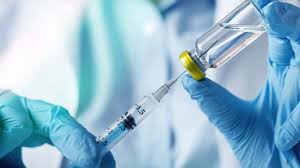
PALIMBANG, Sultan Kudarat — Health authorities in Region 12 have launched a full-scale causality assessment into the death of a two-year-old girl who passed away shortly after receiving a measles-rubella (MR) vaccine during a government-led immunization drive.
The toddler reportedly developed severe vomiting, diarrhea, and rapid weakness roughly an hour after inoculation, passing away on February 4.
In a joint statement, local health officials expressed condolences to the family while urging the public to wait for official findings before drawing conclusions.
“A careful and thorough investigation is currently underway… to ensure that all facts are properly examined with transparency, sensitivity, and adherence to established medical protocols,” the Municipal Health Office (MHO) of Palimbang stated. At present, no direct medical link between the vaccine and the child’s cause of death has been established.
The incident occurred amid the Department of Health’s (DOH) “Ligtas Tigdas” supplemental immunization campaign, which aims to vaccinate millions of young children across Mindanao to combat rising measles transmission.
The DOH Mission: Eradicating Preventable Outbreaks
The National Immunization Program (NIP) of the Department of Health operates under a core mandate: protecting communities from severe illness, disability, and death caused by vaccine-preventable diseases.
Measles remains one of the world’s most contagious airborne viruses, capable of leading to severe complications such as pneumonia, brain swelling, and fatality. To prevent outbreaks, public health standards require nationwide coverage to reach at least 95%. At this threshold, community immunity (herd immunity) is achieved, effectively creating a protective shield around infants too young to be vaccinated and individuals with compromised immune systems.
How Vaccines Work: The Science of Protection
Vaccines are engineered to prime the human immune system to defend against dangerous pathogens without exposing the body to the full severity of a natural infection.
- Antigenic Trigger: Vaccines contain an antigen—such as a weakened or killed virus, or a fragment of its structure—that acts as a decoy.
- Immune Activation: Upon injection, white blood cells recognize the antigen as foreign and generate specific antibodies to neutralize it.
- Long-Term Memory: Once the artificial threat is resolved, the immune system stores specialized “memory cells.” If the body encounters the actual virus in the future, these cells respond immediately, eliminating the virus before it can cause severe disease.
The measles-rubella vaccine utilizes a live-attenuated virus—a strain weakened under lab conditions so that it stimulates strong, lasting immunity without causing active disease in healthy recipients.
Parental Choice and Rights Under Philippine Law
While Republic Act No. 10152 mandates basic immunization for infants, the DOH has consistently clarified that vaccination remains voluntary and subject to parental consent.
Health Secretary Teodoro Herbosa affirmed that the government does not impose penalties or force on parents who decline vaccines, recognizing both human rights and individual medical contraindications.
Health agencies emphasize that their primary role is providing transparent, evidence-based guidance. While parents retain the legal right to decide on their children’s medical care, public health officials continue to stress that standardized vaccines undergo rigorous safety testing and remain the most effective tool to prevent life-threatening viral outbreaks. (August 9, 2026, Mikaila Abrinica)